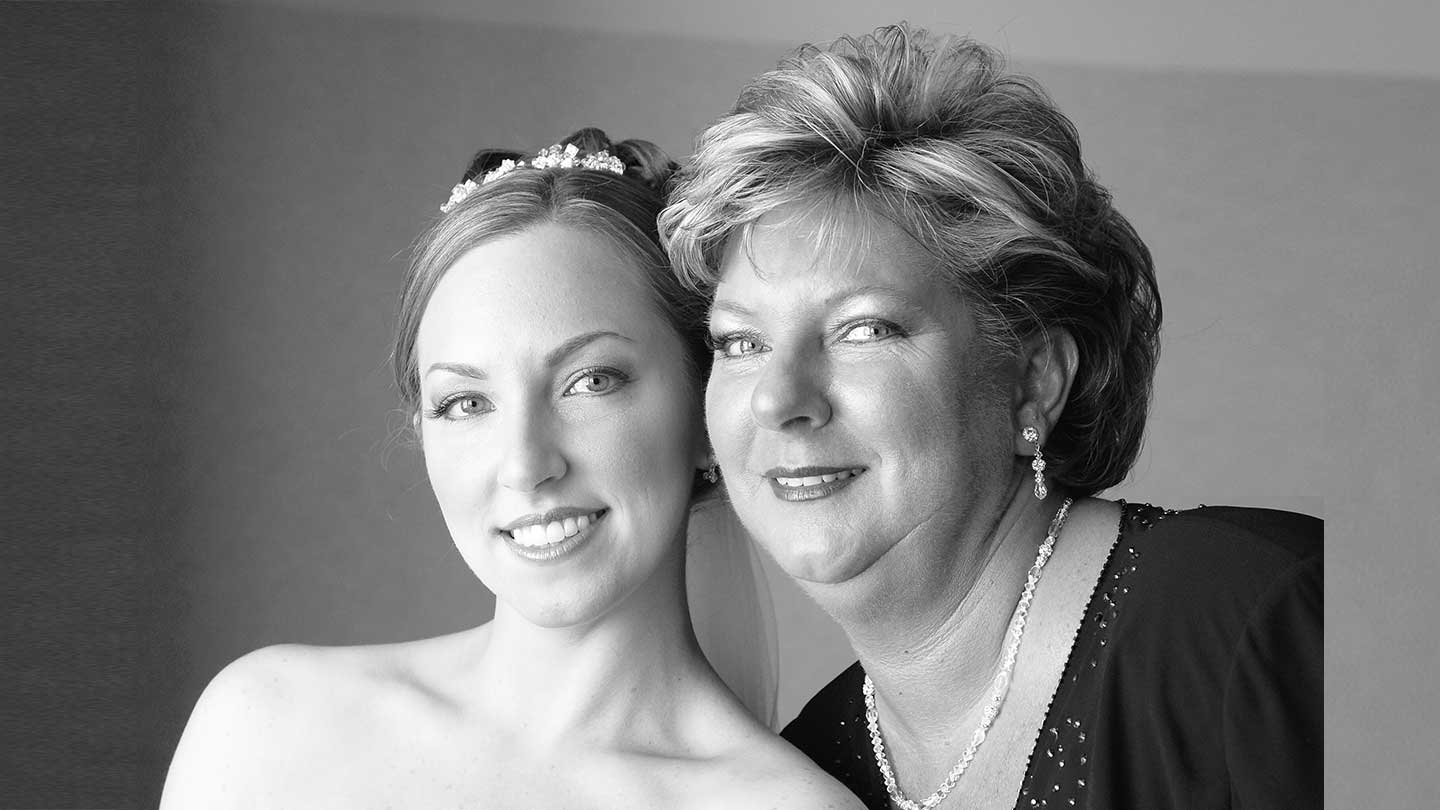
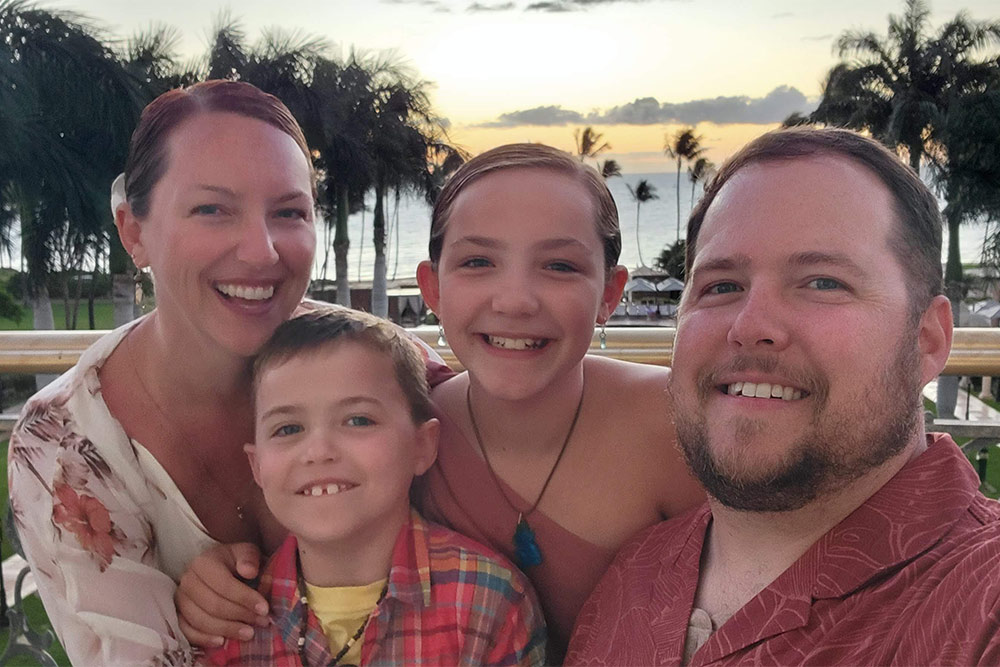
When she moved to JPMorganChase, Suttles saw how a large corporation could provide a supportive environment for families, but was surprised to find that the bank's North American offices lacked a designated business resource group for working parents.
Laying the Foundation
Shortly after joining JPMorganChase in Chicago, Suttles connected with the closest working family network she could find. It was located in Bournemouth, England.
Set on launching a North American branch, she used the large and active Bournemouth group as inspiration for what she hoped to foster in the U.S. "Their chat room was just a really friendly, wholesome place of honesty, where parents and family members were communicating so openly," Suttles said. "In a workplace, you sometimes feel like you need to have a facade and only bring your professional self, but the chat room seemed like a place of vulnerability, where people were being real and talking about real life."
To start building the North American working families network, Suttles reached out to group leaders around the globe and networked with some of her colleagues who were parents to discuss the group's requirements and potential obstacles. She developed an operational structure and program and, together with her working-parent colleagues, she organized leadership groups, volunteers, goals and agendas. They also planned potential events and offerings, and strategized on how each could be localized for different regions’ needs.
The North American WFN launched at the end of 2023. Over the following year, Suttles worked with co-chair David Page, an Executive Director at JPMorganChase, to develop ways to build the group’s membership and set the strategy over the next few years.
“Everybody's got their own challenge that they’re working through,” Page says. “And even though everybody’s challenge might be unique, there are a lot of shared experiences that can unite us and help us move forward.”
As the program grew, Suttles and Page partnered with colleagues who identified with different communities, including different races, religions, sexual orientations and family structures. The common denominator, they found, was that everyone is a member of a family.
Spreading the Word
Today, the JPMorganChase WFN working group has almost 30,400 members globally across 55 chapters. More than 15,700 of its members work in North America.
Following Suttles' original goals, part of the group’s mission is helping colleagues navigate employee benefits. The group provides insights on company benefits, educating members on which ones can help them address different family needs.
“All these benefits are out there,” said Gina Baumgartner, a Managing Director at JPMorganChase and Suttles' successor as co-chair of the WFN North America. “Whatever stage of life you’re in, we can provide that clarity and transparency to existing benefits.”
In addition, WFN encourages colleagues to use the JPMorganChase mentoring platform to form groups that focus on various stages of family life. It also organizes events and speakers, including recent events featuring a bestselling writer who talked about building a sense of belonging at work and a company executive who provided a first-hand account of the challenges of caring for older parents.
Crucially, Suttles and Page developed the WFN to build empathy in the work environment. "For the working parent who has a manager who doesn't have kids, they don't know some of those challenges that a person's navigating," Page said. "In some unfortunate cases, they may not appreciate some of the flexibility or different needs of those individuals."
Looking forward, the WFN will continue to spread awareness, expand and empower its chapters to develop hyper-local events and connections. The group is also working harder to reach out to men.
"I think it's really important for men, especially, to champion that it's OK to have family priorities," Page said, "for them to say, 'I'm going to leave early and pick up my sick kid from school,' or, 'I'm going to take this family leave because it's a firm benefit.' It's important to model that."
For her part, Suttles remains grateful to her mother, their friends and the surrounding community that supported her family after her father abandoned them. But she maintains that workplaces can also provide important resources to help their employees’ families meet challenges. In this effort, JPMorganChase's WFN aims to foster a sense of belonging and provide more balance for careers and families as both grow and change.
“You often hear the term 'work-life balance.' I don’t necessarily think that there’s really a balance, because on different days that balance looks different,” Suttles said. “It’s more about integration, about how can I integrate my work life and my family life in ways where I feel like I’m serving both, and I’m able to serve myself and be a happy, healthy version of myself in the process.”