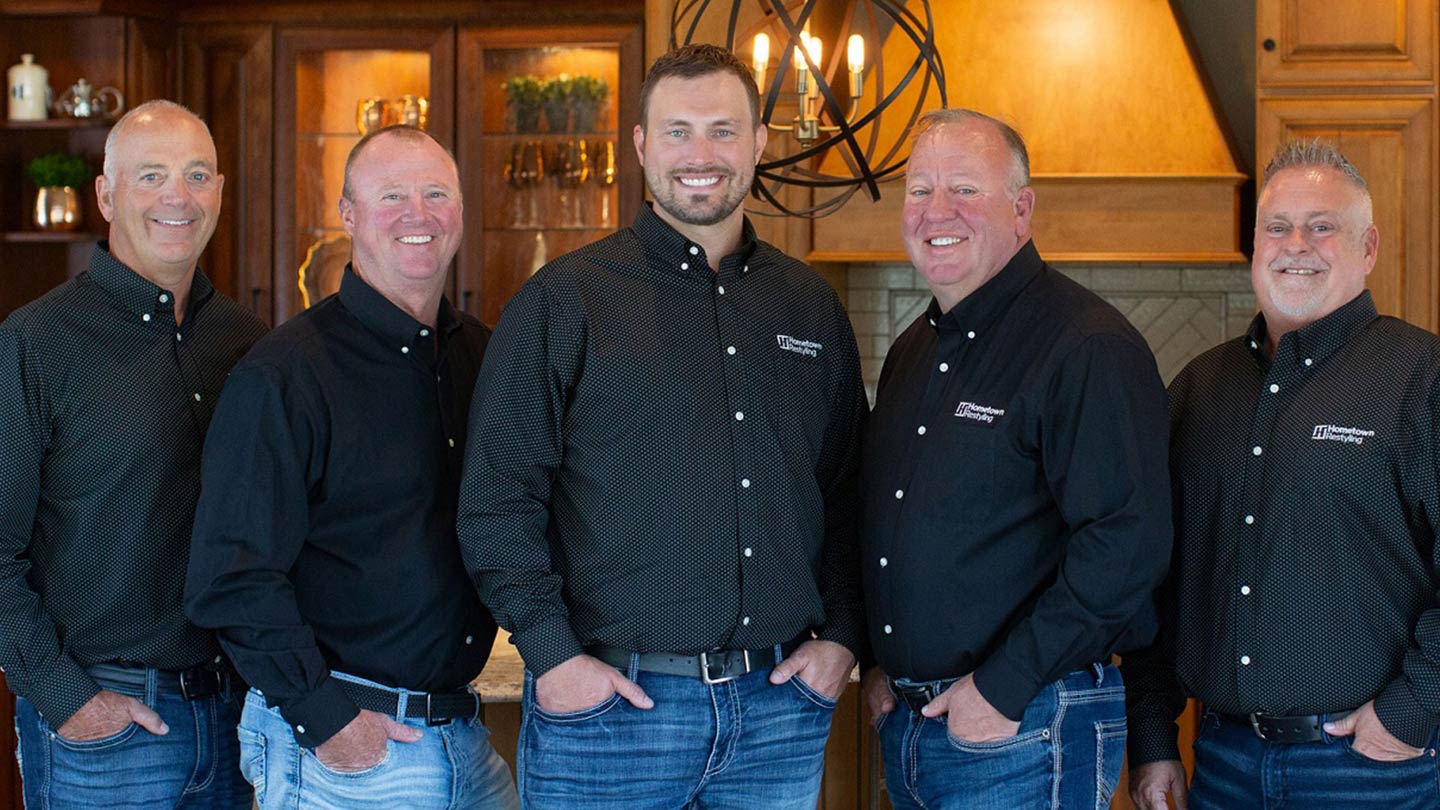
Forty years ago, Wayne Winn founded Hometown Restyling in a small shop in Hiawatha, Iowa. His goal was to provide Eastern Iowa homeowners with high-quality remodeling services they could trust. Now, more than 65 employees carry that commitment forward, helping families create spaces they are proud to call home.
That growth eventually brought the company’s five owners to a different kind of project — not a remodel, but the future of the business itself. They began considering whether an employee-owned structure could preserve the company’s culture and local roots through eventual changes in ownership.
At the center of the discussion was a question that would shape the company’s future: How could it protect what it had built while giving employees a meaningful stake in what came next?
Building a business in Iowa
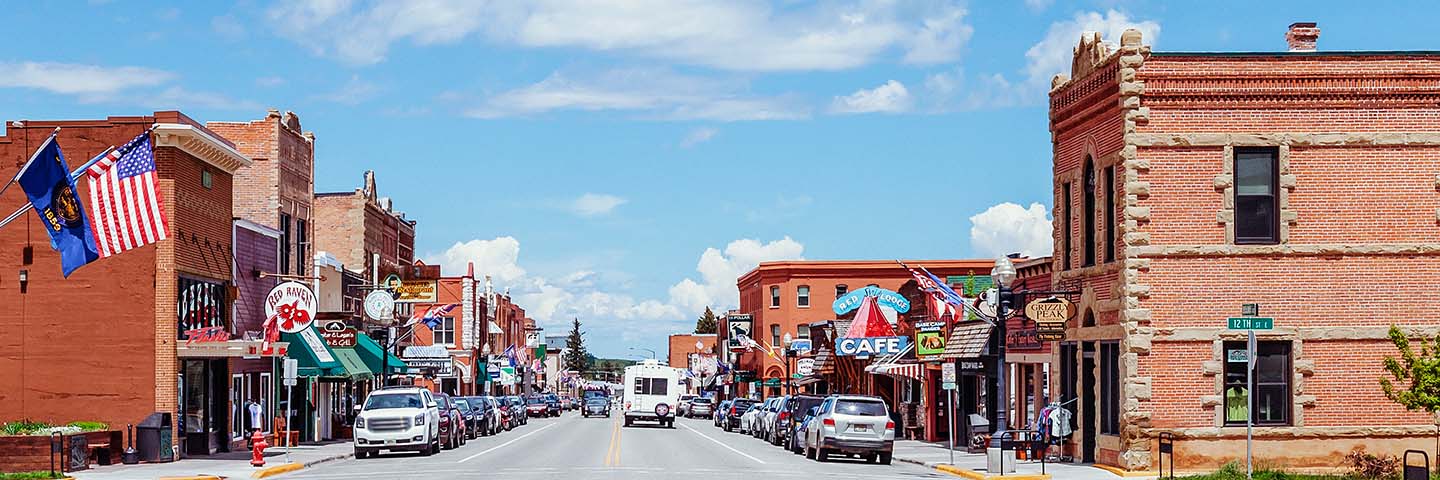
Across Iowa, small businesses are often built on local trust: the relationships they form with customers, employees and the communities around them. Those ties can create jobs, serve neighbors and keep money and opportunity circulating locally.
Building and sustaining a business also means navigating rising costs, finding workers, reaching customers and securing the capital or guidance needed to grow. Hometown Restyling has grown by staying close to the people and communities it serves, so the ownership decision was about more than structure; it was also about preserving the customer-focused culture it had built.
Planning the next chapter
Employee ownership emerged as one possible answer. It could preserve the company’s legacy while giving employees a meaningful stake in its future, but the owners first needed to understand how an employee stock ownership plan (ESOP) might affect the company’s culture, customer experience and local roots.
“I can envision a timeframe 20 years from now when [our employees] are looking to retire and have this ESOP account that, if it wasn't for this decision, just would have never been there,” said CEO Dave Wageman. “I’m super excited for what it means for the future of the company.”
Finding the right support
Turning that possibility into a plan required more than a single decision. The owners needed trusted advice, strong relationships and practical guidance as they weighed how to move forward.
They found that support at the Iowa Center for Employee Ownership (IA-CEO), which gave them a place to learn from peers and experts, ask practical questions and get hands-on help.
With support from organizations like JPMorganChase, the Center brings education, connection and guidance to more Iowa businesses, employees and students. For Hometown Restyling’s owners, that support helped turn a complicated ownership question into a plan for the future. Within a year of their first touchpoint with IA-CEO, the company became 100% employee-owned, giving employees the opportunity to share in its long-term success.
“JPMorganChase’s support has allowed us to extend our reach to help more Iowa business owners prepare for succession planning,” said Stacy Mullinex, a senior program manager at IA-CEO. “Their funding expanded access to education, assistance and employee ownership resources for thousands of Iowans.”
Expanding access to this kind of guidance is one focus of JPMorganChase’s American Dream Initiative, a multiyear effort aimed at expanding economic opportunity, including powering 10 million small businesses over the next several years. Its work helps owners incorporate succession planning into long-term growth plans and explore transition strategies that preserve businesses, support employees and strengthen communities — while creating wealth-building opportunities along the way.
“Hometown Restyling’s story shows that planning for the future is about more than protecting what a business has built; it can also create new opportunities for the employees and communities that helped build it,” said Marcia Treichel, market director for Chase in Iowa. “Through our American Dream Initiative, JPMorganChase is helping more owners turn moments of change into opportunities to build lasting value for their businesses and the people they employ.”
A lesson worth sharing
This experience offers a lesson for other business owners: long-term planning is most useful when it begins before a transition is urgent. Starting early can create more options to protect a company’s culture, jobs and customer relationships.
The lesson begins with one business and one community: The future of a company is shaped not only by the people who start it, but by the people who carry it forward.
What the American Dream looks like here
Success is measured not only by longevity or ownership structure, but also by whether the business continues to serve families well, provides employees a meaningful path to long-term opportunity and remains rooted in the community where it began.
“To us, the American Dream is about creating opportunities that strengthen communities and ensure future generations have a chance to build long-term stability," Wageman said.
For more than 225 years, JPMorganChase has stood with American businesses through every economic cycle. The American Dream Initiative builds on that support by expanding approaches that have worked in communities and connecting entrepreneurs with capital, know-how and practical resources.
For business owners, the next chapter can start with an idea — and the right support to help turn what comes next into what’s possible.
Learn more about how JPMorganChase is supporting small businesses at www.jpmorganchase.com/impact/business-growth-and-entrepreneurship.
The testimonials on this page are the sole opinions, findings or experiences of our customer and not those of JPMorgan Chase Bank, N.A. or any of its affiliates. These opinions, findings or experiences may not be representative of what all customers may achieve. JPMorgan Chase Bank, N.A. or any of its affiliates are not liable for decisions made or actions taken in reliance on any of the testimonial information provided.