Stories

Energy and climate leadership in a changing world

Why we built our Center for Energy and the Environment

By: Heather Zichal

October 14, 2026

The world needs more energy. That energy will help power factories, deploy AI, electrify the economy, and expand energy access. Meeting that demand while balancing affordability, security, reliability, and sustainability, what we call the "Four Forces,” is one of the defining economic opportunities of our era.

In 2021, JPMorganChase set ambitious targets to help us seize that opportunity: our portfolio-level carbon intensity targets and our $2.5 trillion Sustainable Development Target. We are helping increase supply by facilitating nearly $100 billion each year to add new energy from all sources. We are also helping decarbonize: our tax-oriented investing team alone has helped finance one in four gigawatts of U.S. renewables and storage. For more than 125 years, we have banked companies that help build and power the global economy, and we intend to bank companies that help power the world for the next one hundred and twenty five.

We are proud to have helped shape the banking industry’s approach to climate, including as the first U.S. bank to publish detailed financed-emissions targets and an Energy Supply Financing Ratio. Since we set targets, we said that our approach would evolve as conditions changed and better information became available, so we continue to test our approach against experience and evolve as appropriate. We believe that is part of disciplined management.

Based on that belief, we also continue to evolve how we approach energy and environmental issues more broadly. This includes the launch of the JPMorganChase Center for Energy and the Environment (CE&E). CE&E is JPMorganChase's hub for expertise on the Four Forces shaping energy and environmental outcomes. One of the things my team is focused on is our environmental targets, which we have evolved to better reflect how we support low-carbon energy and to reflect updated decarbonization pathways.
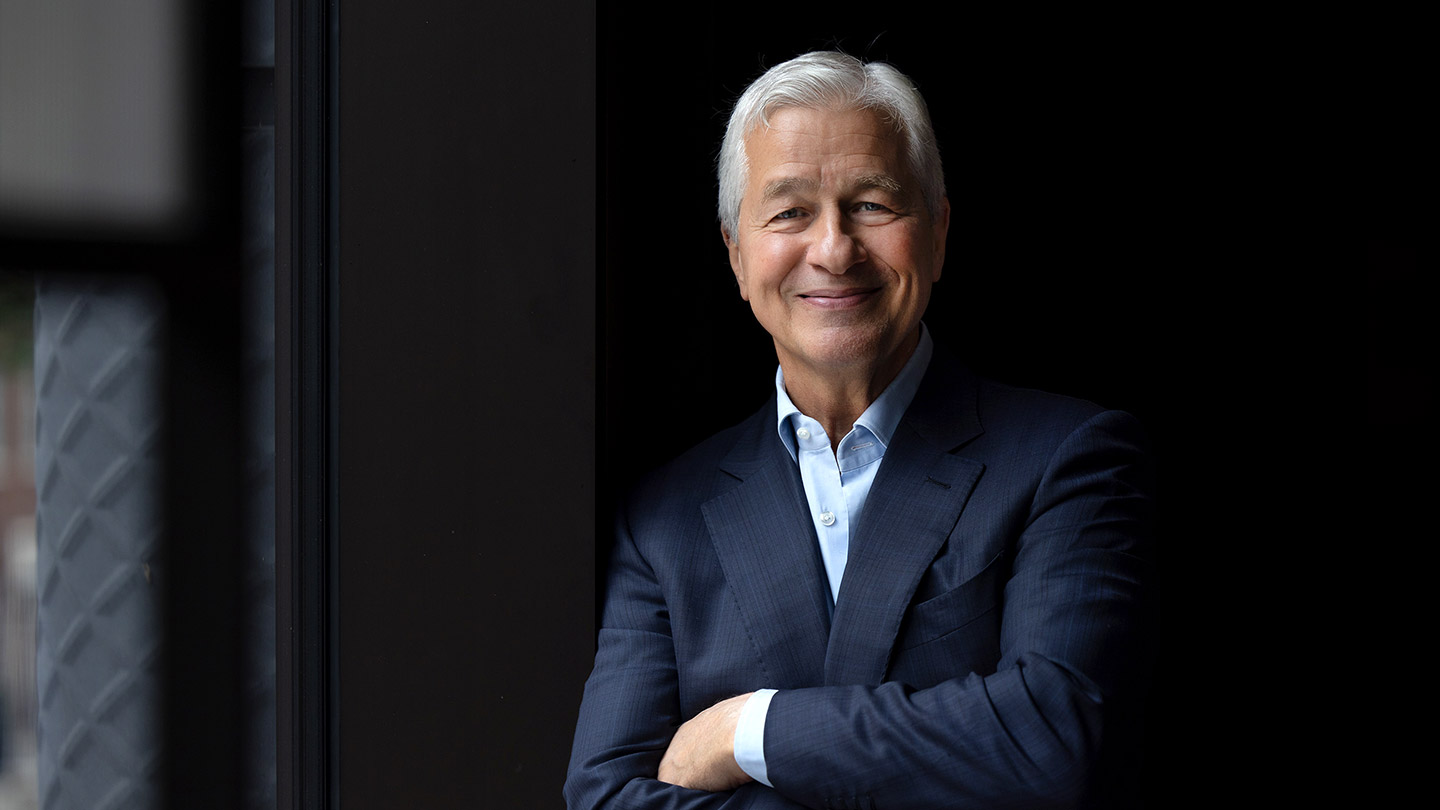

Heather Zichal
“

Meeting energy demand while balancing affordability, security, reliability, and sustainability, what we call the 'Four Forces,' is one of the defining economic opportunities of our era.

Heather Zichal

Head of Center for Energy and the Environment and Global Head of Sustainability

The changes to our environmental targets are rooted in the lessons we have learned during the prior five years. And we believe these evolutions sharpen our strategy: helping to mobilize more capital, address the energy system as a whole, and use our platform to help address barriers that financing alone cannot solve.

Here are a few of the lessons we have learned:

  • Finance is often not the binding constraint. Our view across companies, markets, and the policy environment has shown us that viable projects are often held back primarily by workforce gaps, permitting timelines, interconnection queues, supply chain constraints, policy uncertainty, or insufficient customer demand – usually not lack of capital. More financing alone will not remove those barriers.
  • Emissions cannot be considered in a vacuum. Affordable, secure, and reliable energy is the foundation of durable emissions reductions. Strategies that fail to account for each of the four dimensions of the energy system will not endure.
  • Financed emissions are an imperfect metric. If emissions cannot be considered in a vacuum, neither can financed emissions. They need to be considered alongside other factors. Financed emissions also face their own set of practical challenges, including gaps in data and methodology. This further limits their utility at the transaction level, even if they can provide a sense of trends across a portfolio.

Based on these lessons and our belief in the opportunities ahead, we have developed the following principles to guide our approach.

We aim to serve our clients by:

  • Focus on scaling finance. Finance cannot solve every barrier, but mobilizing capital at scale is where we can make our greatest direct contribution. While no single metric gives the full picture, we measure success by how much capital we put to work for clients and for the energy solutions the world needs, when it makes sense for our business.
  • Approach the energy system holistically. Because emissions cannot be considered in a vacuum, we support clients in balancing the Four Forces: affordability, security, reliability, and sustainability. We believe that addressing each of the four leads to more durable investment and decarbonization outcomes.
  • Use our platform to support market and policy solutions. Because many of the hardest constraints cannot be solved with financing alone, we use our vantage point across the global economy to identify those barriers and help convene the businesses, policymakers, and investors positioned to address them in a pro-competitive manner.
  • Lead with data and transparency. Because no single metric can capture progress or guide decisions alone, we plan to continue to invest in a broader set of tools and measures, describe what these tools and measures can and cannot demonstrate, and explain how those insights shape our strategy and client engagement.

These principles are already changing how we organize, engage, and measure progress.

  • Built a stronger platform. We brought the Center for Carbon Transition and Corporate Sustainability together within our new Center for Energy and the Environment (CE&E). CE&E seeks to connect our work on energy and climate targets with deeper policy expertise, strengthen our ability to serve clients, and help us better identify non-financial barriers to progress and how our broader platform can help address them.
  • Broadened how we measure capital deployment. Reflecting our whole-system view, we made changes to how we measure energy and environmental capital mobilization. In 2025, we launched the Security and Resiliency Initiative including a focus on energy independence and resilience. We expanded the green objective of our Sustainable Development Target to capture energy supply activities included within the Low-Carbon boundaries of our Energy Supply Financing Ratio (ESFR). This means the green objective now considers financing for the grid and nuclear, as well as for the low-carbon energy at diversified power companies.
  • Updated our portfolio-level carbon intensity targets. Our targets now align with the 2025 update to the International Energy Agency Net Zero Emissions by 2050 (IEA NZE) scenario. This scenario is a “backcast” — one potential pathway to meeting a certain outcome, not a forecast of what's most likely. Our targets function similarly. They are a compass for tracking portfolio carbon intensity and supporting our clients. We don't restrict financing to meet them and they are subject to change as conditions evolve.

These principles reflect how we intend to lead: with pragmatism, candor about the trade-offs, and clear focus on helping our clients succeed in a complex and rapidly evolving world. The opportunity in front of us is enormous. Let’s get to work.

For more information on our targets and approach, please refer to Carbon Compass and to our 2025 Sustainability Report.