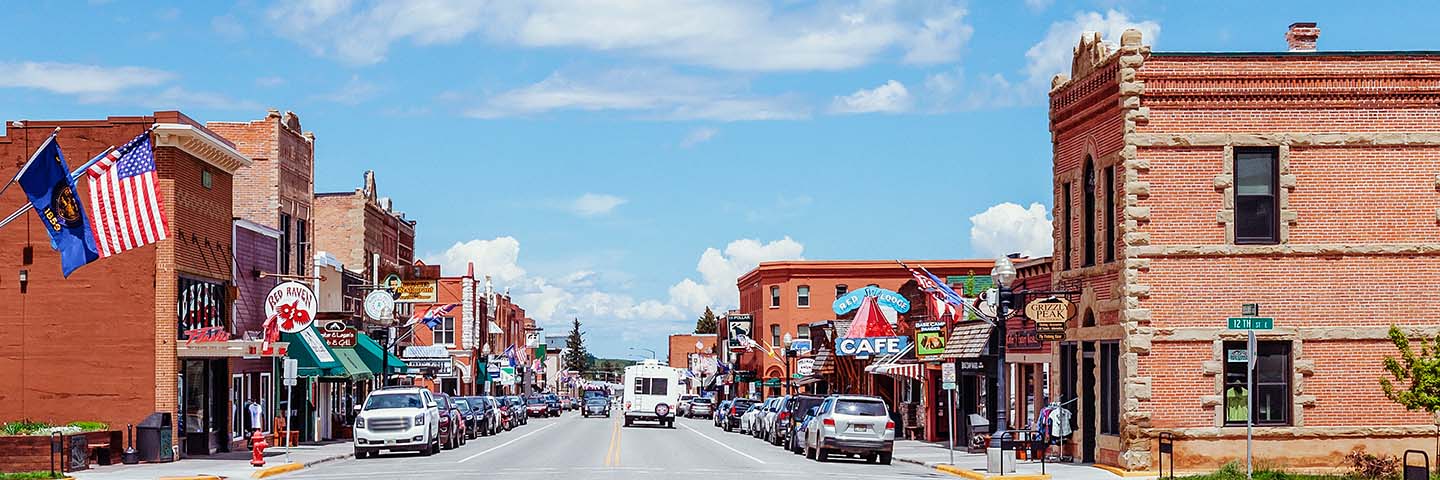
Alabama is an international industrial powerhouse, in sectors such as automobiles, aerospace components, chemicals, advanced manufacturing products, and defense. In 2024, the state exported $26.8 billion in goods and services to 194 countries around the globe, according to the Alabama Department of Commerce.
While the state’s unemployment rate is among the lowest in the U.S., state officials have highlighted the need to expand opportunities for more residents. Careers in Alabama’s high-demand, fast-growing, and high-earning industries call for specialized training, and as the state evolves and grows, it needs its workforce to evolve alongside it.
An urgent need for skills
Alabama isn’t exempt from the widening skills gap—particularly in high-demand, fast-growing, high-paying occupations—that affects many sectors of the nation’s economy. Deficits of qualified workers are already being felt in the workforce, and are projected to reach six figures by 2030 (rising to 230,000 by 2045), according to a University of Alabama study. The study emphasizes the importance of equipping individuals with the necessary training and skills to help build stronger talent pipelines.
JPMorganChase is investing in job training and skills building through collaborations with local organizations to build programs that optimize career outcomes for Alabama’s workforce of tomorrow. These initiatives help connect schools and students with local employers, economic development partners, and nonprofit organizations. We’re committed to ensuring that every Alabama resident has the skills they need to support their families in today’s evolving economy and, in time, to build wealth for future generations.
Alabama Possible: Powering stronger economic futures
We’re working with Alabama Possible, a workforce-development and advocacy nonprofit organized around a simple mission—that education is crucial to overcoming barriers to prosperity. The organization reports that “more than 780,000 of our neighbors” live below the poverty line.
“Poverty is quite vast in Alabama,” says Chandra Scott, Alabama Possible’s Executive Director. “In a lot of kitchens, families aren’t having conversations around college. They’re trying to figure out how to pay the light bill, how to pay the car note, how to put gas in the car. What we have to do is make sure that college is affordable.”
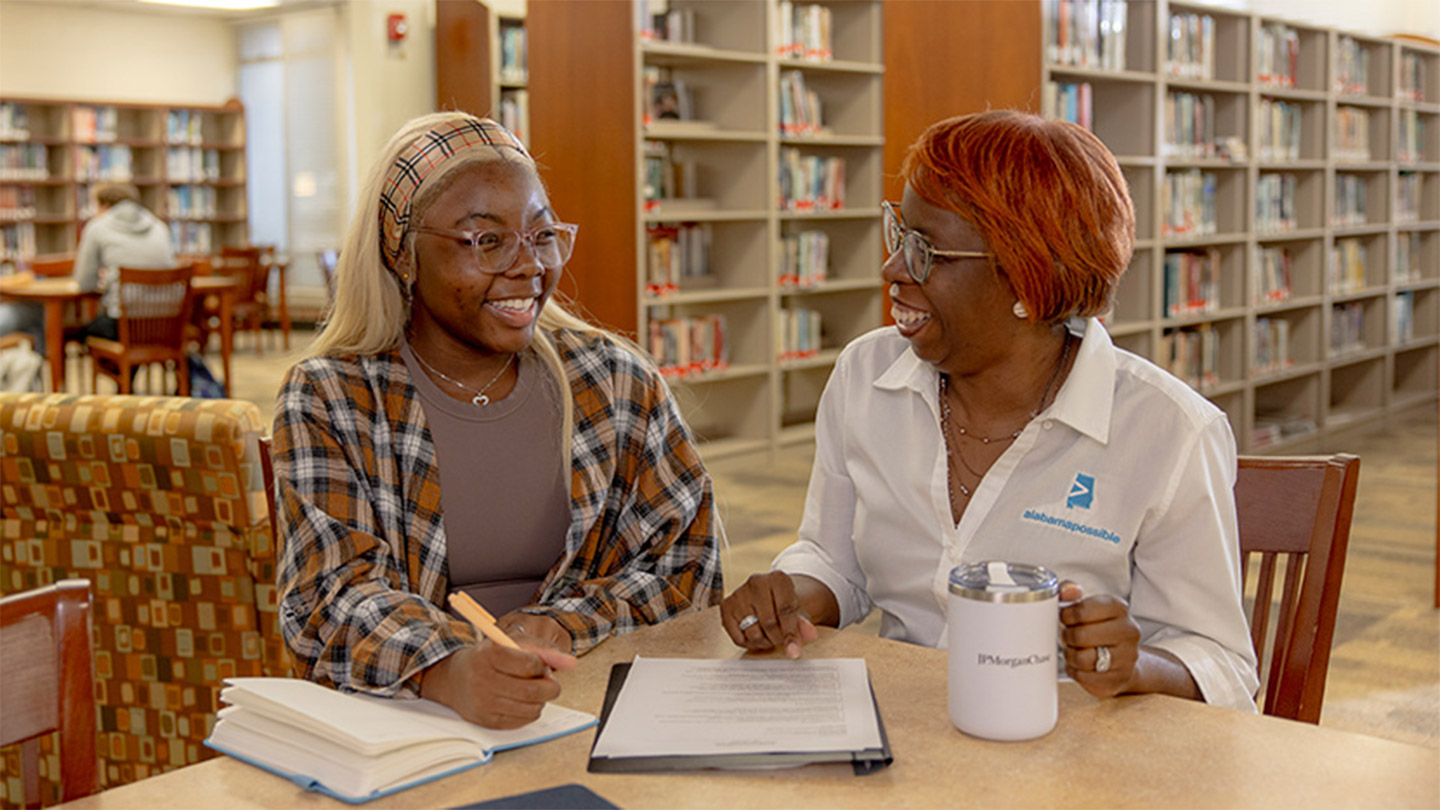
Alabama Possible brings together educational institutions and workforce-development organizations “to make sure we’re all rowing in the same direction for positive student outcomes,” says Manisha Mishra, Alabama Possible’s deputy director. Uplifting individual students in this way puts them on a path to obtaining high-quality jobs and building stronger economic futures for themselves and their families.
We’re supporting Alabama Possible with $350,000 in philanthropic capital that will help grow workforce training programs in Alabama’s advanced manufacturing and energy sectors. The support is helping Alabama Possible develop career advancement programs in collaboration with community colleges and employers.
“When educational institutions and employers join forces, it helps narrow the skills gap and enables more Alabamians to obtain high-quality jobs,” said Victoria Adams Phipps, Vice President of Global Philanthropy at JPMorganChase. “We’re proud to support Alabama Possible as they open doors to opportunity in two of the state’s fastest-growing sectors.”
Transformative outcomes
Earlier this year, in Washington, D.C., Scott and Mishra had the opportunity to witness a noteworthy career outcome that Alabama Possible helped bring about. As they awaited an appointment with Alabama U.S. Rep. Terri Sewell in her Capitol Hill office, a young woman named Robyn Gulley rushed over to them.
As a high-school senior applying to college from Birmingham’s Westside, she said, she was confused and overwhelmed by the complicated federal financial-aid application, known as FAFSA. The current version of the FAFSA is 22 pages long and filled with highly detailed questions about both the student’s own finances and their family’s.
Without Alabama Possible’s help, Gulley told them, she couldn’t have navigated the FAFSA and secured the financial aid she needed to attend college. She was able to enroll at Birmingham-Southern College, and graduated with a degree in political science, cum laude, before taking a job in Rep. Sewell’s office.
Robyn Gulley is a testament to what’s possible when we help students aspire to ambitious career goals, says Scott. “If you wrap students around with the right support, the right networks, the right tools, everyone can be successful on their journey. You just have to figure out what’s the right journey for you.”
Learn more about how JPMorganChase powers economic growth in Alabama at https://www.jpmorganchase.com/communities/alabama.
The testimonials are the sole opinions or experiences of those featured and not those of JPMorgan Chase Bank, N.A. or any of its affiliates. These opinions or experiences may not be representative of what all may achieve. JPMorgan Chase Bank, N.A. or any of its affiliates are not liable for decisions made or actions taken in reliance on any of the testimonial information provided.