June 23, 2026
The U.S. faces a lack of affordable housing supply, and high labor, material, and development costs are pushing affordability further out of reach. Construction costs represent an estimated 64% of home prices in recent analyses, hitting low-to-moderate-income households and first-time homebuyers hardest. The effects extend beyond individual households: High housing costs and constrained supply limit worker mobility, weaken employer competitiveness, and strain local economies.
In 2025, the JPMorganChase PolicyCenter launched the series Building Blocks: State and Local Opportunities to Increase Housing Supply. The first paper in the series examines how complex and fragmented regulatory environments limit the type, quantity, and location of housing that is produced and how streamlined approvals could speed up development. But while zoning, building code and permitting reforms are essential, alone they are unlikely to deliver homes at the price points families need.
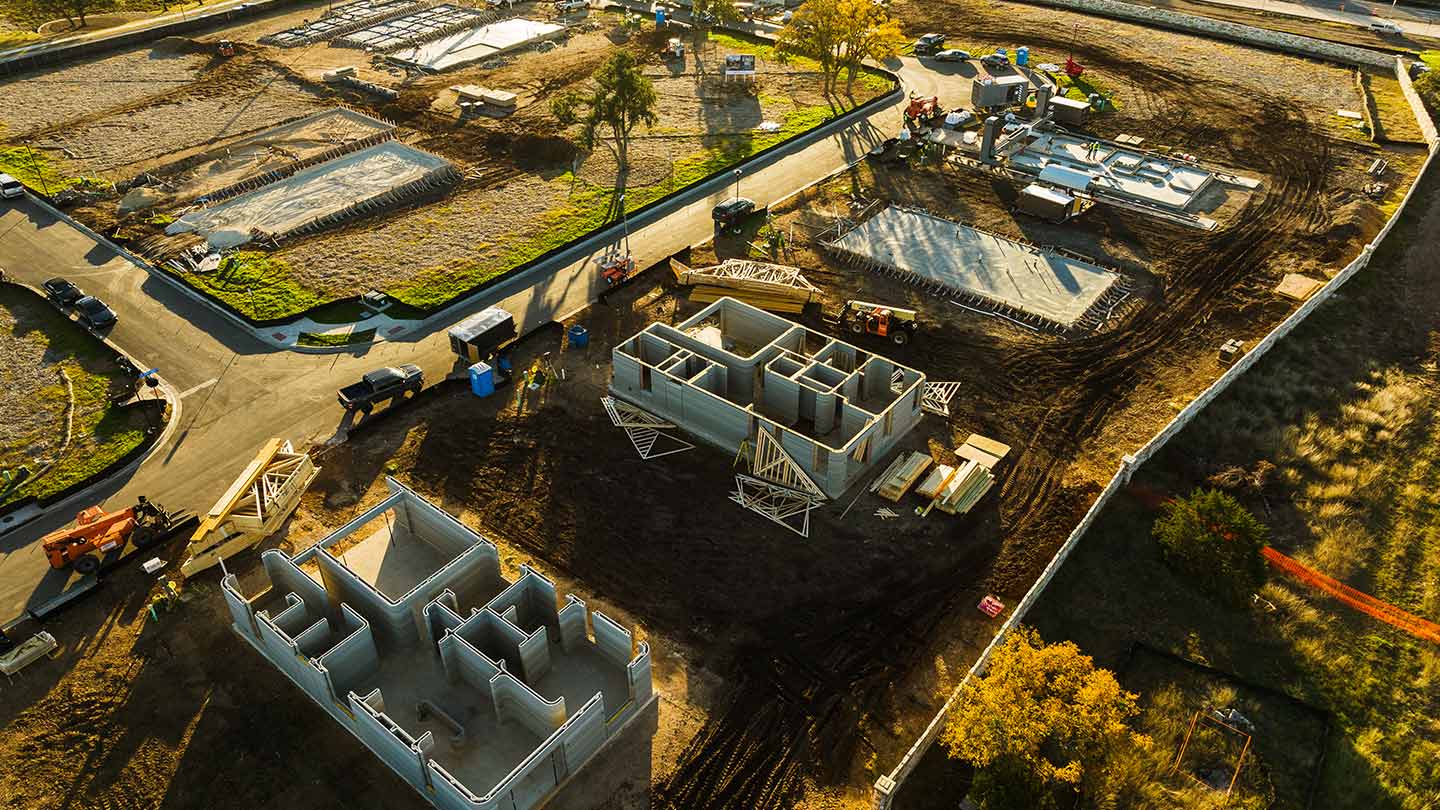
This latest brief focuses on innovative construction and examines the state and local policy actions that can create an enabling environment for scalable market adoption. Innovative construction methods—such as manufactured, modular, panelized, and other industrialized approaches—integrate manufacturing principles and standardized parts to housing production and delivery to reduce development costs and timelines. These efficiencies can lower construction costs by an estimated 20-30% and shorten timelines by an estimated 30-50%, translating to greater housing affordability.
The brief explores what’s limiting the adoption of innovative construction methods, provides policy recommendations for state and local leaders, and highlights promising models across the country working towards scaling these innovative approaches.
- Create a regulatory environment that enables innovative construction methods.
Align land use and zoning rules, building codes, and inspection and permitting processes to place off-site and site-built housing on equal footing with predictable approval pathways. - Increase public incentives that reduce financing friction and support demand.
Deploy public incentives, demand aggregation strategies, and multi-year pipelines to create a more predictable market for manufacturers, improve access to capital, and support scale. - Build implementation capacity, workforce aptitude, and an evidence base for market adoption.
Invest in trained plan reviewers and inspectors, workforce development, and credible evidence on cost, speed, and quality to support market confidence and replication.
Innovative construction is not a standalone solution. Paired with foundational reforms and public-private collaboration, these efforts can help accelerate housing supply and improve affordability outcomes.
This brief is part of the Building Blocks series, highlighting practical state and local solutions to the nation’s housing challenges. It reflects JPMorganChase’s commitment through the American Dream Initiative to advance scalable, market-based strategies that widen economic opportunity.