Cycle 3: Deepening Engagement
By 2023, the focus shifted to deepening engagement with stakeholders and expanding the platform’s capabilities to include modules for classroom observation, mentor and parent engagement, quarterly assessments and integration with partner management tools. The system supported features such as training attendance, customized assessment screens and automated communications via email. Reporting tools enabled the organization to track progress and share updates with stakeholders. These enhancements streamlined key processes, reduced manual errors, and allowed I-Saksham to scale its operations significantly.
Cycle 4: Scaling Relationships and Impact
In 2025, the partnership concentrated on scaling relationship management. I-Saksham required a centralized system to efficiently manage its growing network partners, donors and mentors. The TFSG team delivered a solution that consolidated stakeholder information, automated communications and provided actionable dashboards. The system supported partner data updates, pipeline management, mentorship scheduling and periodic feedback collection, all while improving data consistency and eliminating manual bottlenecks. This enabled timely outreach and supported the organization’s strategic growth, expanding the network of women leaders and enhancing mentorship opportunities.
The Ripple Effect
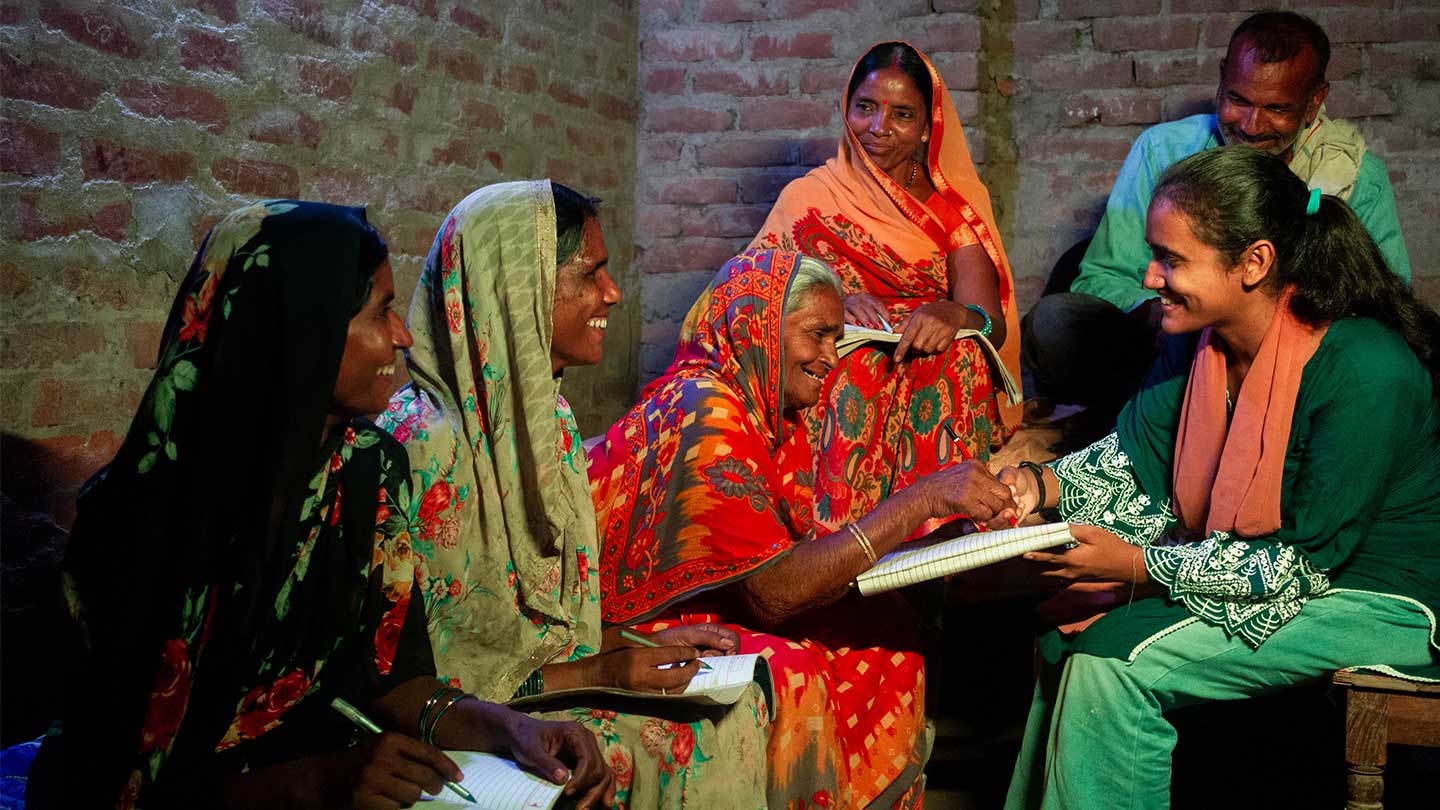
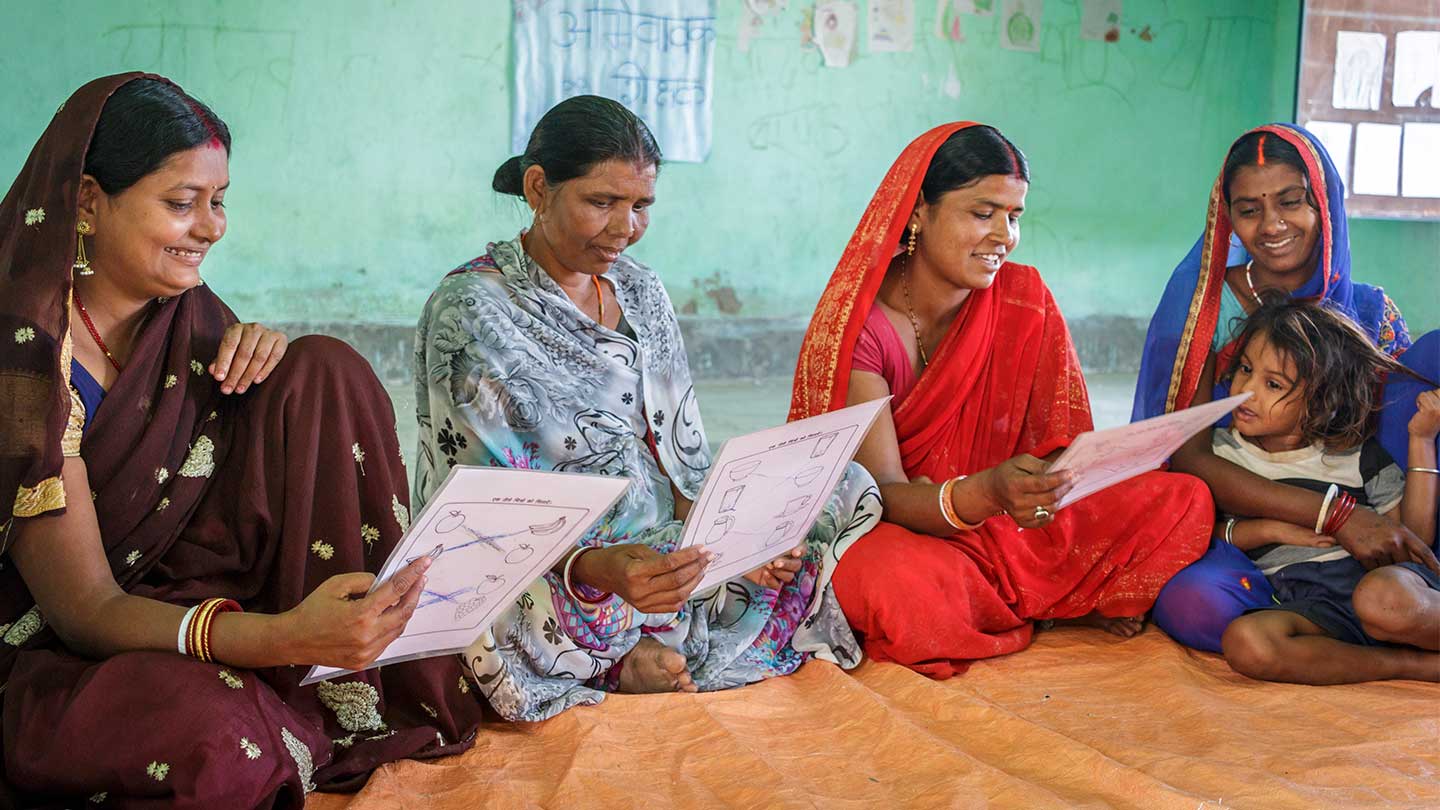
Throughout these cycles, TFSG volunteers focused on building scalable, adaptable and secure systems that could grow with the organization’s needs. “As project champion for I-Saksham, I’ve seen technology transform fragmented records into real-time insights, scaling from 2,500 to 25,000 children/adolescent girls and empowering over 1,100 women leaders across Bihar.” One TFSG volunteer shared. “With four cycles and 40 volunteers, we built digital solutions that enabled strategic growth and inspired young women to become mentors and role models.” The range of technological solutions the partnership has produced has enabled the organization to streamline operations, improve data reliability and strengthen stakeholder engagement. As I-Saksham works toward its goal of reaching one million girls and women by 2030, the collaboration stands as an example of how targeted technology interventions can support sustainable social change.