The future of SDLC at JPMorganChase
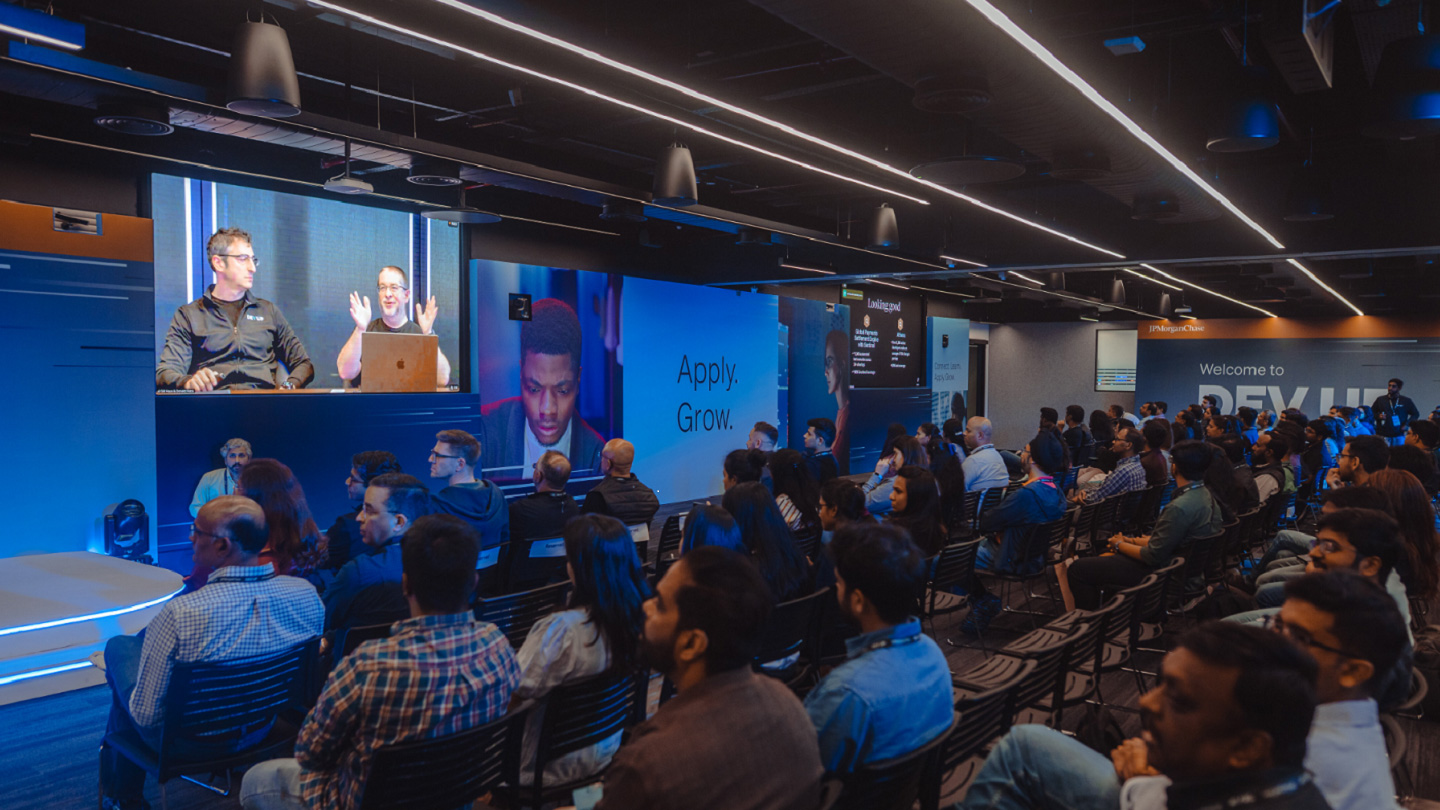
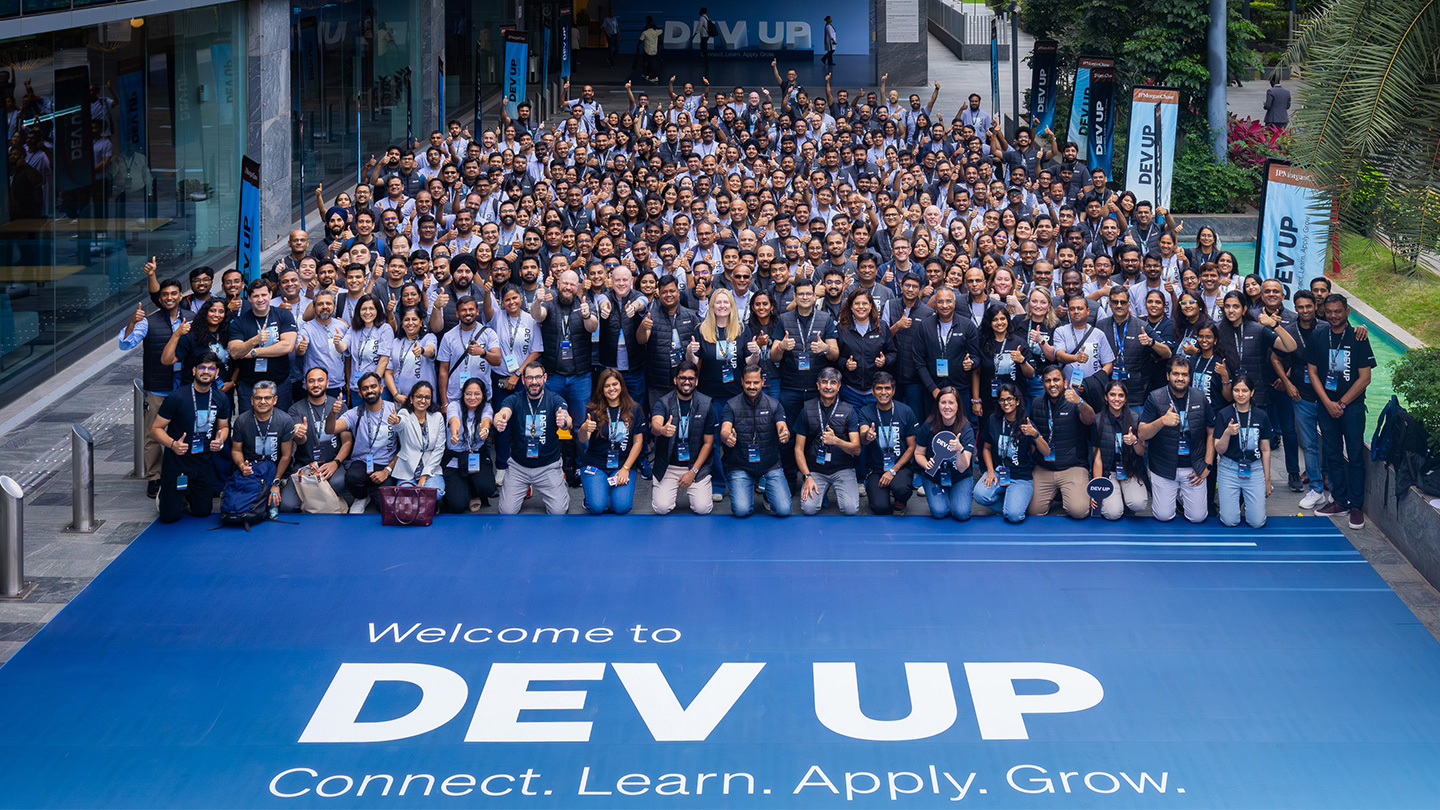
As AI evolves from a productivity aid to an active participant in software creation, organizations must rethink not just how code is written, but how the entire software development lifecycle (SDLC) operates. During DEV UP Hyderabad’s final keynote, James Whiting and Michael Payne* explored what it means to move from AI assisted development to a truly AI native SDLC.
The shift is already underway. Across the industry, engineers are moving rapidly from manual coding to agent driven development. As coding itself becomes increasingly automated, the focus of engineering moves upstream, from syntax to intent, from files to context and from manual controls to AI enforced governance.
They noted that at the center of this transformation is context engineering. Early AI adoption relied on prompt engineering. In an agentic world, that approach no longer scales, as modern AI systems require a rich, curated context. Done well, context engineering enables AI to produce accurate, compliant and high quality outcomes at enterprise scale.
Agent Skills are the differentiator. Rather than rely on ever-larger context windows, teams package expertise as structured, versioned skills that define what an agent can do, how it should do it, what tools and data it may use and how to validate results. This encapsulation speeds inference and improves reliability by replacing unstructured sprawl with reusable logic and guardrails.
They also discussed the importance of redesigning security to address the “lethal trifecta” which is the intersection of untrusted content, sensitive data and autonomous action. An AI-native SDLC embeds controls directly into the system, using managed configurations, observability, and sandboxing to ensure safety without slowing innovation.
The result is a reimagined SDLC where AI enforces controls by default, humans intervene by exception, and delivery accelerates without compromising quality or security. Engineers remain firmly in the driver’s seat, focused on domain expertise, problem framing and AI supervision.
*James Whiting is Head of Engineering Services and Platforms for the Chief Technology Office and Michael Payne is Lead-Modern Engineering for the Global Technology Strategy, Innovation and Partnerships team at JPMorganChase.